When Translation Becomes a Layered Human–Machine Workflow
Using AI to enhance translation services for major clients like Peloton and Shopify.
Original episode title: AI to Super-Charge Translation, w/ Smartling CEO Bryan Murphy
Guest
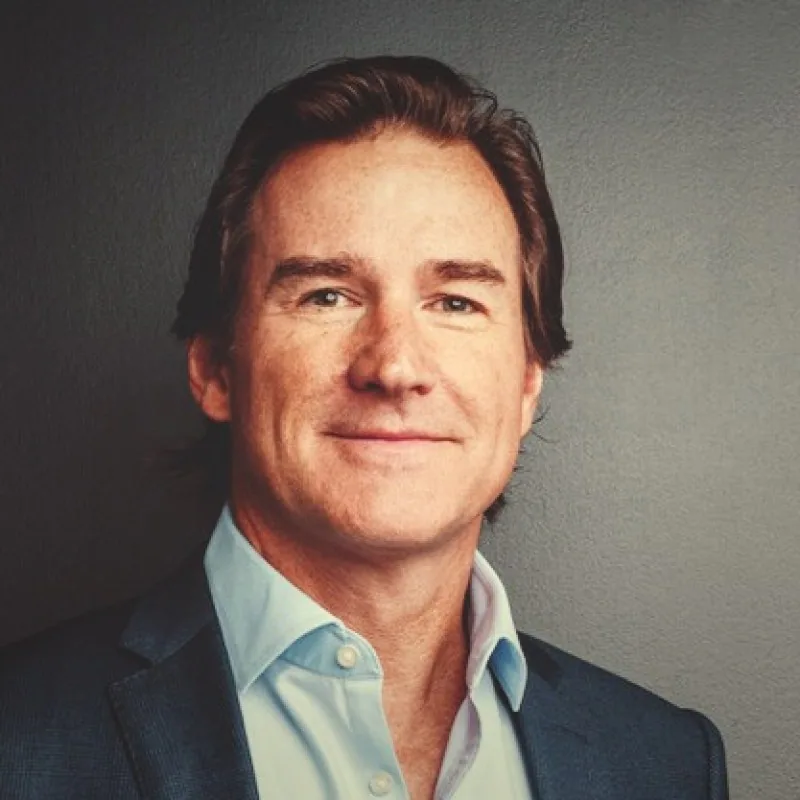
Bryan Murphy
Translation technology executive
Bryan Murphy is CEO of Smartling, a language-translation and localization company that combines translation expertise with software and machine learning. He has led the company’s work helping global brands publish content across languages, with an emphasis on integrating AI while retaining quality controls and human review.
Shows a layered translation workflow in which machines handle throughput while linguists retain context, localization, and quality judgment.
What this conversation is really about
Bryan Murphy describes translation not as a contest between one model and one linguist but as a stack. Specialized engines generate and compare candidates; software routes large volumes; human translators retain cultural meaning, domain context, and final quality. That mechanism makes the episode a useful early grow case. It also raises the labor question the efficiency story can hide: higher throughput may elevate expert judgment, or it may turn expertise into hurried approval work. The episode’s quality, cost, customer, and productivity figures remain vendor-reported.
From the conversation
The argument in focus
Bryan Murphy
Translation technology executive
Bryan Murphy is CEO of Smartling, a language-translation and localization company that combines translation expertise with software and machine learning. He has led the company’s work helping global brands publish content across languages, with an emphasis on integrating AI while retaining quality controls and human review.
Shows a layered translation workflow in which machines handle throughput while linguists retain context, localization, and quality judgment.
Evidence status
Vendor-reported case
A translation-company executive describes the company’s own workflow, customers, quality, cost, and throughput. The operating stack is specific; metrics and commercial outcomes remain vendor-reported.
Boundary map
Where the system stops
- What the system handles
- Machine translation, candidate generation, sentence-level selection, repetitive production, and routing work across large content volumes.
- What remains human
- Cultural context, domain meaning, long-tail language judgment, literary voice, final quality, and accountability to the intended audience.
- What remains open
- When throughput rises, do expert linguists gain higher-value work and authority—or does substantive judgment gradually become thin approval labor?
Ideas worth carrying forward
- Break augmentation into layers instead of describing a job as automated or untouched.
- Evaluate quality by language, domain, audience, and consequence.
- Preserve expert authority over context and final meaning.
- Track whether productivity changes work quality, compensation, and role design.
What this changes Monday
Map one language workflow from source text to published output. Record where a specialized system generates, selects, or routes; where a linguist interprets; and where an accountable person approves. Sample errors by language and domain rather than relying on one average score. Measure rework and reader harm alongside speed and cost.
Original episode notes
Some of the best use cases of AI are when we think of it not as Artificial Intelligence, but "Augmented Intelligence."
That's what Bryan Murphy, CEO of Smartling, is effectively doing: Using AI to enhance and super-charge their systems, as opposed to scrapping the old way and starting from scratch.
Smartling is a company that uses AI to translate languages for clients like Peloton, Shopify, and Pinterest.
On this episode, Bryan explains how they've embraced AI to do it faster and cheaper and at a higher quality (9:10); why global translation matters (14:35); whether AI can help us achieve a Star Trek-level "universal translator" (16:30); whether AI can effectively translate literature or poetry (21:00); and why all of us are probably better off in our careers embracing AI (23:00).
And before that, for the first time on this podcast, Jeff shares how he's personally using AI...
Smartling:
https://www.smartling.com